.png)

Read Time : 4 Minutes
Solar Energy Equipment
Understand the main components of a solar energy system, including panels, inverters, batteries and mounting systems.
Learn how different types of solar equipment work together to generate and manage electricity.
Discover what to consider when choosing reliable, efficient solar energy equipment.
Solar energy equipment is the collection of components that work together to convert sunlight into usable electricity. While solar panels are the most visible part of a system, they are only one piece of the puzzle. Modern solar installations also include inverters, mounting systems, electrical protection equipment and, increasingly, battery storage.
Whether you're installing solar panels on a home, business or industrial building, every component has a specific role. Choosing high-quality equipment can improve efficiency, increase reliability and help a solar power system continue producing electricity for more than 25 years.
This guide explains the equipment used in a typical solar PV system, how each component works and what to consider when selecting solar equipment.
COMPARE PRICES FROM LOCAL INSTALLERS
Compare prices from local companies fast & free
Enter your postcode to compare quotes from leading professionals. We promise to keep your information Safe & Secure. Privacy Policy
What is Solar Energy Equipment?
Solar energy equipment refers to all of the hardware needed to generate electricity from sunlight.
A complete solar PV system typically includes:
- Solar panels
- Solar inverter
- Mounting system
- DC and AC cabling
- Electrical protection devices
- Generation meter (where required)
- Battery storage (optional)
- Monitoring equipment
Each component performs a different task, but together they create a safe, efficient electricity generation system. Modern systems can operate almost entirely automatically, producing electricity whenever sunlight reaches the panels.
The Main Components of a Solar Power System
1. Solar Panels
Solar panels are responsible for capturing sunlight and converting it into direct current (DC) electricity.
Each panel contains dozens of photovoltaic (PV) cells made from semiconductor materials, usually silicon. When sunlight strikes these cells, electrons begin moving, creating an electrical current through what is known as the photovoltaic effect.
Today's residential solar panels are considerably more powerful than they were a decade ago. Most premium panels now produce between 430W and 500W, meaning fewer panels are needed to generate the same amount of electricity than older systems using 250W modules.
Types of solar panels
The three most common types are:
Monocrystalline
Monocrystalline panels are the most popular choice for homes. They offer:
- High efficiency
- Excellent reliability
- Long warranties
- Better performance where roof space is limited
Polycrystalline
These were once common but have largely disappeared from the residential market. They remain available for some commercial applications but are generally less efficient than monocrystalline panels.
Thin-film
Thin-film panels are lightweight and flexible but are less efficient than conventional silicon panels. They are mainly used for specialist commercial applications rather than domestic rooftops.
2. Solar Inverters
Solar panels generate direct current (DC) electricity, but homes and businesses use alternating current (AC).
The inverter performs this conversion.
Without an inverter, electricity generated by the panels could not power household appliances or be exported to the grid.
Modern inverters also:
- Monitor system performance
- Detect faults
- Optimise energy production
- Provide safety shutdown functions
- Manage battery charging on hybrid systems
Many homeowners describe the inverter as the "brain" of a solar power system.
Types of solar inverter
String inverter
The most common option.
One inverter manages an entire string of solar panels.
Advantages include:
- Lower installation cost
- Proven reliability
- Easy maintenance
Best suited to roofs with little or no shading.
Microinverters
Instead of one central inverter, each panel has its own inverter.
Benefits include:
- Better performance where panels experience shade
- Individual panel monitoring
- Greater design flexibility
Microinverters generally cost more but can increase energy production on complex roofs.
Hybrid inverter
Hybrid inverters combine the functions of a standard inverter with battery management.
They allow homeowners to add battery storage immediately or in the future without replacing the inverter.
3. Battery Storage
Solar batteries store excess electricity generated during the day.
Instead of exporting all unused electricity to the grid, the battery stores it for use later, such as during the evening when solar production has stopped.
Benefits include:
- Lower electricity bills
- Increased self-consumption
- Greater energy independence
- Backup power (with compatible systems)
Although batteries add to the installation cost, they are becoming increasingly popular as electricity prices rise and homeowners look to maximise the value of the electricity they generate.
4. Mounting Systems
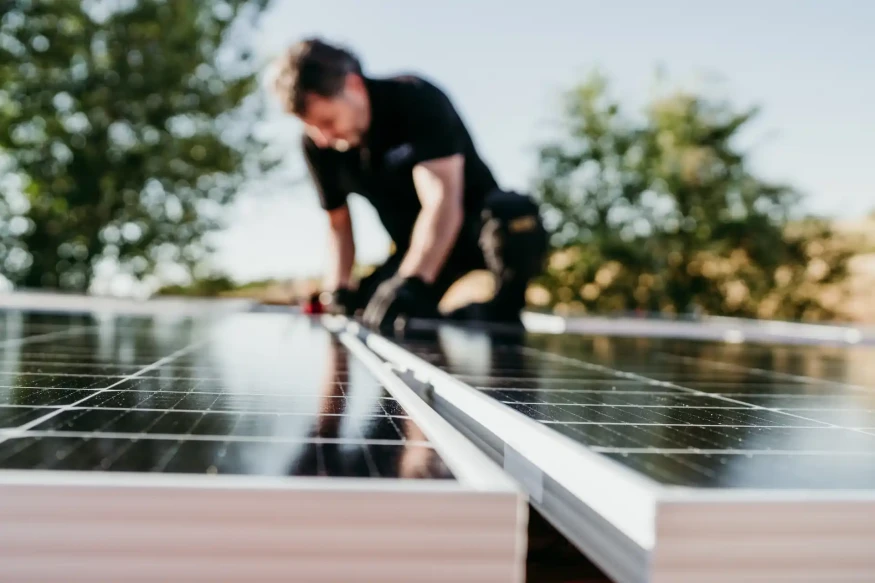
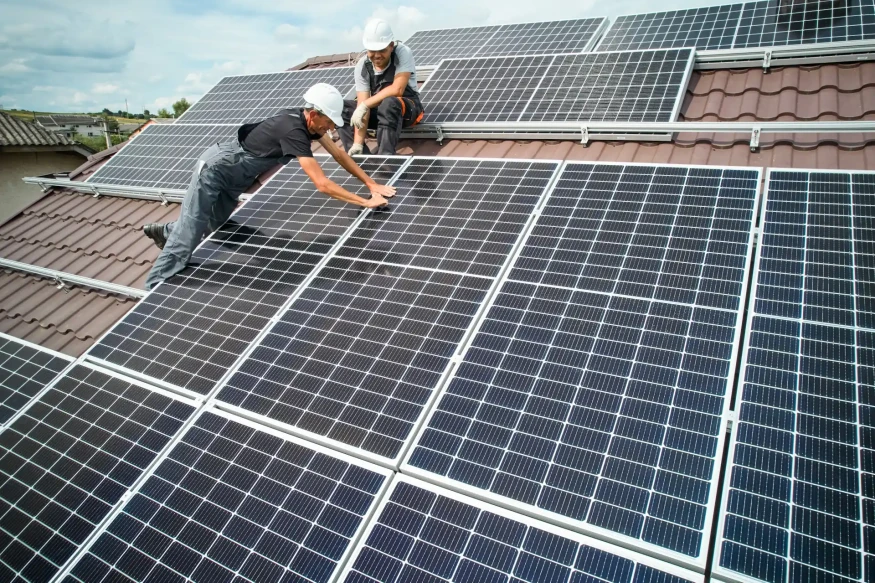
Solar panels must be securely attached to a building or ground-mounted frame.
The mounting system supports the panels while allowing them to withstand:
- Strong winds
- Snow loading
- Rain
- Temperature changes
Most residential installations use aluminium rails with stainless steel fixings due to their excellent corrosion resistance and long lifespan.
Roof-mounted systems
The majority of domestic solar installations are fitted directly onto:
- Slate roofs
- Tiled roofs
- Metal roofs
- Flat roofs
Different fixing methods are used depending on the roof construction.
Ground-mounted systems
Ground-mounted solar arrays use steel or aluminium support frames fixed into the ground.
They are often chosen where:
- Roof space is limited
- Roof orientation is poor
- Larger systems are required
Ground-mounted systems also allow panels to be positioned at the ideal angle for maximum energy generation.
5. Solar Cabling and Connectors
Although often overlooked, cables are critical to the performance and safety of a solar installation.
Special UV-resistant solar cable connects:
- Solar panels
- Inverter
- Battery
- Consumer unit
Solar connectors must be weatherproof and capable of operating safely outdoors for decades.
6. Electrical Protection Equipment
Every solar installation includes safety equipment designed to protect both the system and the property.
Depending on the installation, this may include:
- DC isolators
- AC isolators
- Circuit breakers
- Surge protection devices
- Earthing equipment
- Fuses
These components ensure the system can be safely disconnected during maintenance or in the event of an electrical fault.
7. Solar Monitoring Systems
Most modern solar systems include online monitoring.
Using a smartphone app or web portal, homeowners can usually view:
- Daily electricity generation
- Monthly production
- Annual output
- Battery charge level
- Electricity exports
- System health
Monitoring also helps identify faults before they become serious problems.
Optional Solar Equipment
Depending on the installation, additional equipment may also be included.
EV Charger Integration
Many households combine solar panels with an electric vehicle charger.
Smart chargers can prioritise surplus solar electricity, allowing the car to charge using renewable energy whenever possible.
Power Optimisers
Power optimisers sit behind individual solar panels.
They improve performance where:
- Trees create partial shading
- Different roof angles are used
- Dirt affects individual panels
Unlike microinverters, they still work alongside a central string inverter.
Backup Power Systems
Some battery systems can continue powering selected household circuits during a power cut.
These systems require additional switching equipment and are not available with every battery or inverter combination.
How Solar Energy Equipment Works Together
A complete solar PV system follows a simple process:
- Solar panels capture sunlight.
- The panels produce DC electricity.
- The inverter converts DC into AC electricity.
- Electricity powers appliances in the property.
- Excess electricity charges the battery or is exported to the grid.
- Monitoring software records the system's performance.
Once installed, the process is automatic and requires very little intervention from the homeowner.
Choosing Quality Solar Equipment
Not all solar equipment is built to the same standard.
When comparing systems, it's worth looking beyond the initial price and considering:
- Manufacturer reputation
- Product warranty
- Performance warranty
- Efficiency
- Compatibility with battery storage
- Installer experience
- Product certifications
High-quality equipment often provides better long-term value through improved reliability and higher electricity generation.
How Long Does Solar Equipment Last?
Most solar equipment is designed for decades of operation.
Typical lifespans are:
| Equipment | Typical lifespan |
| Solar panels | 25-30+ years |
| String inverter | 10-15 years |
| Microinverters | 20-25 years |
| Mounting system | 25-40 years |
| Battery storage | 10-15 years |
| Monitoring equipment | 15-25 years |
While inverters and batteries may eventually require replacement, the solar panels themselves can often continue generating electricity well beyond their warranty period, although output gradually declines over time.
Frequently Asked Questions
What equipment is needed for a solar power system?
A typical system includes solar panels, an inverter, mounting equipment, electrical protection devices, cabling and monitoring equipment. Many homeowners also choose to install battery storage.
Is a battery required?
No. Solar panels work perfectly without a battery. Any unused electricity can usually be exported to the electricity grid, depending on the local electricity network and available export arrangements.
Which is the most important component?
Every component plays an important role, but the solar panels and inverter have the greatest influence on overall system performance.
How often does solar equipment need maintenance?
Solar systems require very little maintenance. Occasional visual inspections and periodic servicing by a qualified installer are usually sufficient. Most monitoring systems will also alert the owner if a fault develops.
Can new equipment be added later?
Yes. Many homeowners add battery storage, EV chargers or additional panels several years after the original installation, provided the existing system is compatible.
Conclusion
A solar PV system is far more than just a collection of solar panels. Every piece of equipment, from the inverter and mounting system to the electrical protection devices and battery storage, plays an essential role in generating clean, reliable electricity.
Choosing high-quality solar energy equipment and having it installed correctly can improve efficiency, reduce maintenance and maximise the long-term return on your investment. With modern solar panels capable of producing electricity for 25 years or more, a well-designed system can continue delivering clean energy and lower electricity bills for decades.
Find a local installer
Welcome to the biggest directory of UK renewable energy companies
 How much do Solar Panel Systems Cost? UK Prices 2026